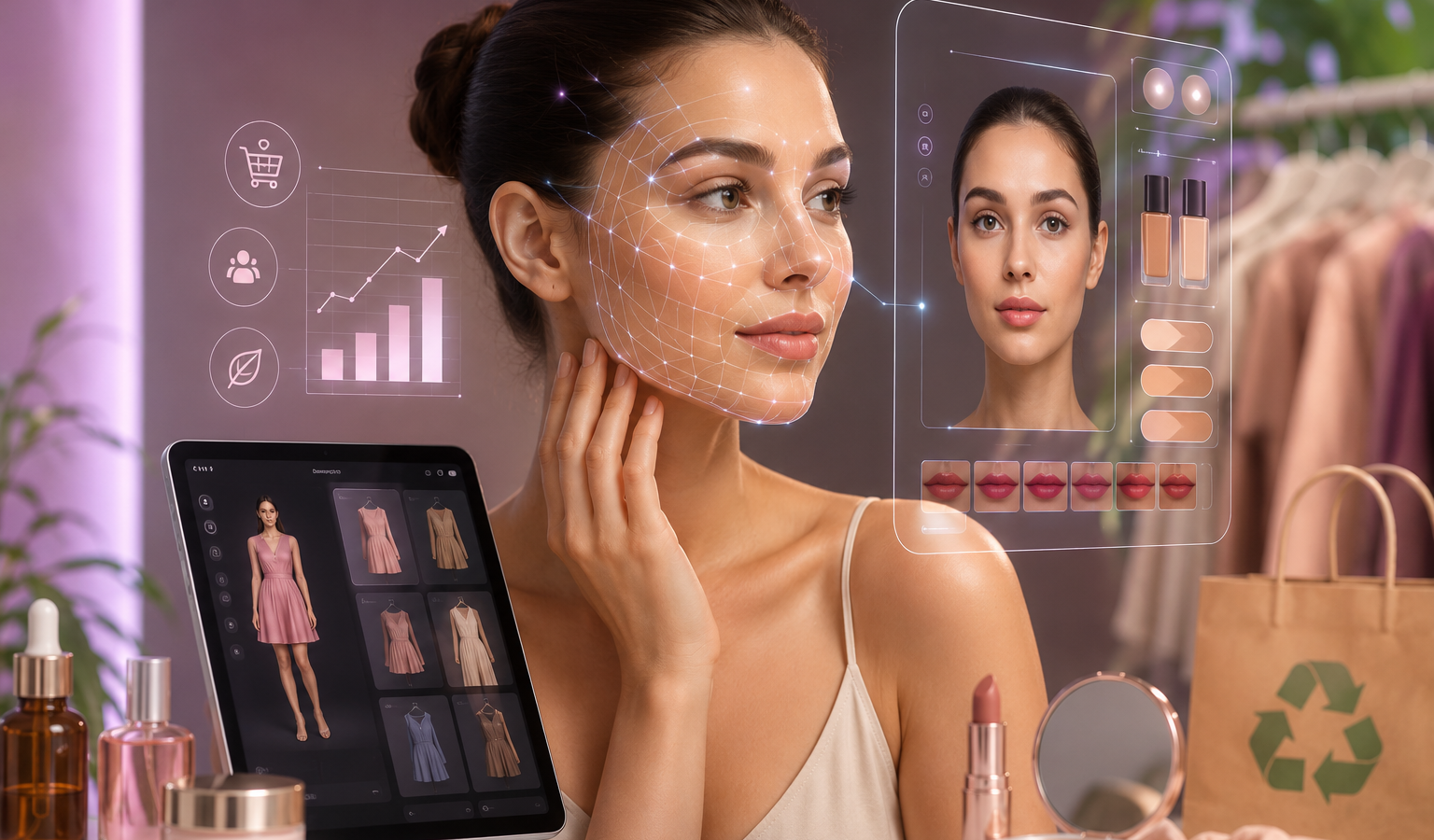

The beauty industry has long been dominated by established players, but with the rise of venture capital funding, a new wave of fashion tech startups is disrupting the status quo. From AI-powered skincare to virtual try-on platforms, these innovative companies are leveraging technology to revolutionize the way we shop for and interact with beauty products.
According to a recent report by PitchBook, investment in beauty and personal care startups has seen a significant increase over the past year, with total funding reaching $1.4 billion in 2022. This surge in venture capital is not only providing much-needed resources for these emerging companies but also driving innovation and growth in the sector.
The Rise of Direct-to-Consumer (DTC) Beauty Brands
One of the most notable trends in beauty tech is the proliferation of direct-to-consumer (DTC) brands. These companies, such as Glossier and Kylie Cosmetics, have successfully disrupted traditional retail channels by selling their products directly to customers through e-commerce platforms and social media.
DTC brands are able to maintain high profit margins due to reduced distribution costs and increased customer loyalty. They also provide valuable data on consumer behavior and preferences, which can be used to inform product development and marketing strategies.
Artificial Intelligence (AI) and Machine Learning (ML) in Beauty
Another area of significant investment is AI and ML-powered beauty technology. Companies like Neutrogena’s Skin360 and ModiFace are using computer vision and machine learning algorithms to analyze skin types, recommend personalized skincare routines, and even provide virtual try-ons for makeup.
These technologies have the potential to revolutionize the way we interact with beauty products, making it easier for consumers to find products that work for their individual skin types and needs. They also offer significant opportunities for data collection and analysis, which can inform product development and marketing strategies.
The Future of Fashion Tech: Sustainability and Inclusivity
As the fashion tech industry continues to evolve, there is a growing focus on sustainability and inclusivity. Companies like Rent the Runway are pioneering circular business models that promote sustainable fashion practices, while platforms like Fenty Beauty are breaking down barriers for underrepresented communities.
Sustainability and inclusivity are not only key drivers of innovation but also essential components of a successful brand strategy in today’s market. Consumers are increasingly demanding more from the companies they support, and those that prioritize these values will be best positioned to thrive.
Conclusion
The beauty and fashion tech industries are undergoing a transformative period, driven by venture capital investment and innovation. As we look to the future, it is clear that technology will play an increasingly important role in shaping the way we interact with beauty products and services.
Whether through AI-powered skincare recommendations or virtual try-on platforms, these emerging technologies have the potential to revolutionize the industry and provide new opportunities for growth and innovation. One thing is certain: only time will tell what the future holds for fashion tech startups.