As the lights dim, the cameras roll, and the stars take their seats, it’s clear that fashion has finally found its perfect match on screen. The intersection of fashion and film is no longer a niche interest but a cultural phenomenon that’s taking the world by storm. From the Met Gala to the Oscars, from Gucci to Louis Vuitton, fashion’s most iconic names are collaborating with Hollywood’s biggest stars to create a cinematic spectacle like no other.
At its core, this union is about more than just dressing up; it’s about storytelling, drama, and the art of transporting audiences to another world. Fashion and film share an uncanny affinity for the dramatic, the extravagant, and the sublime. Think of iconic movie moments: Audrey Hepburn’s little black dress in Breakfast at Tiffany’s, Elizabeth Taylor’s majestic Cleopatra crown, or Tom Ford’s breathtaking Noah costumes – each one a masterclass in cinematic fashion that transcends mere mortal attire.
The Met Gala: Fashion’s Red Carpet Diplomacy
The Metropolitan Museum of Art’s annual gala is the most anticipated event on the fashion calendar, and this year was no exception. The theme ‘Heavenly Bodies’ brought together the world’s top designers to create looks that were both sublime and unsettling – a true reflection of the boundary-pushing spirit of modern fashion.
From Rihanna’s daring Pope-inspired look by Maison Margiela to Zendaya’s striking Versace gown, every guest arrival was a highlight reel in itself. But beyond the glamour, what struck us most was the cultural commentary woven into each outfit – from Cardi B’s statement-making Christian Siriano ensemble that celebrated female empowerment to Lady Gaga’s avant-garde Brandon Maxwell look that subverted traditional notions of beauty.
Designers Take Center Stage
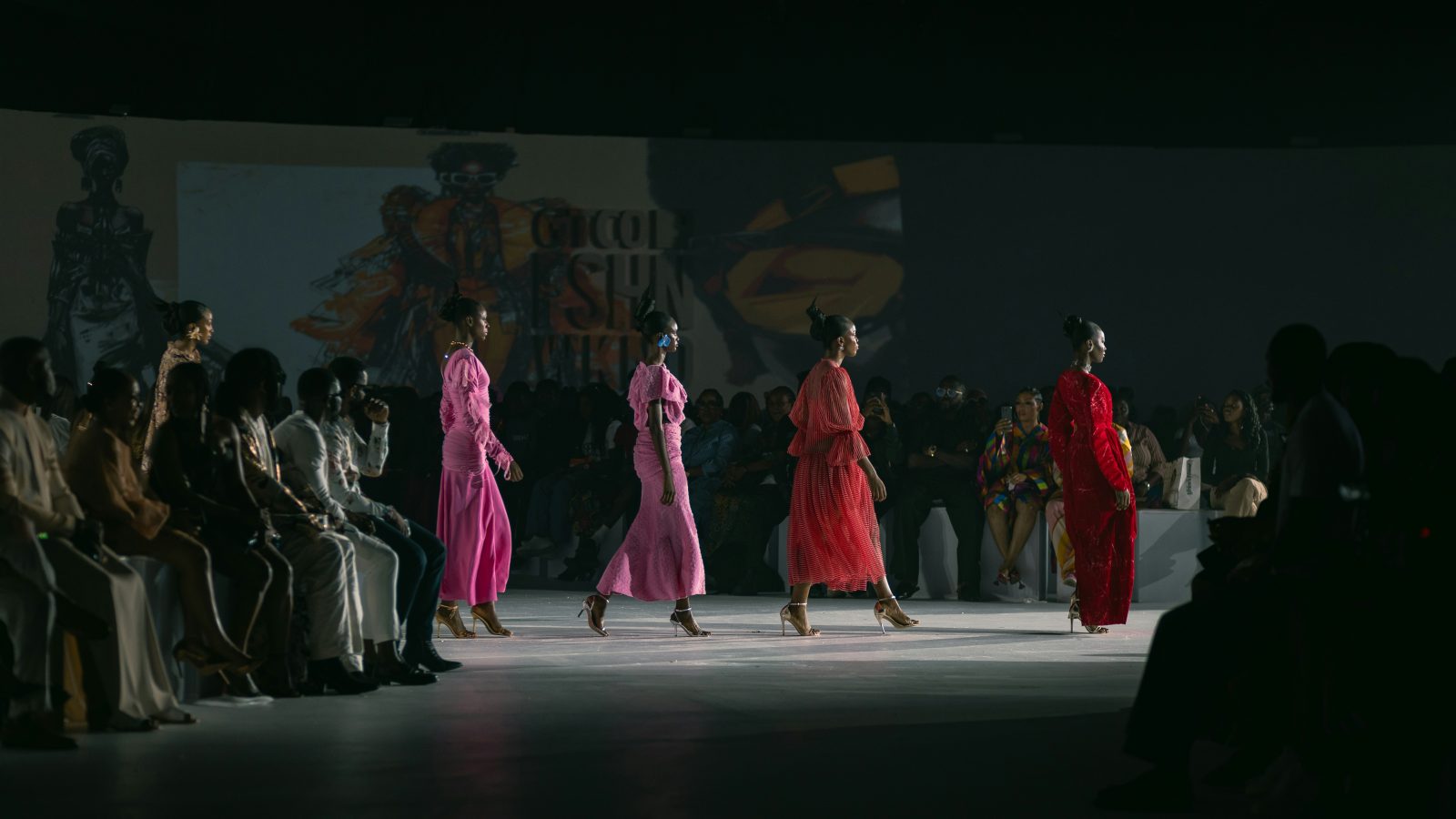
As fashion and film converge, designers are no longer content to simply dress the stars; they’re now integral players in the cinematic narrative. At Gucci’s recent show in Milan, Creative Director Alessandro Michele presented a collection that was both a love letter to 1970s cinema and a testament to his own flair for drama. Meanwhile, Louis Vuitton’s Nicolas Ghesquière has been a long-time collaborator with Nicolas Winding Refn on films like Only God Forgives and The Neon Demon.
But what sets these designers apart is their willingness to experiment and push boundaries – much like the best filmmakers. Whether it’s Gucci’s elaborate, couture-inspired gowns or Louis Vuitton’s bold, streetwear-infused ensembles, each collection tells a story that’s both cinematic and deeply personal.
The Role of Fashion in Film
Fashion and film may seem like disparate worlds, but they’re intimately connected. Clothing and accessories can transport us to another era, evoke a particular mood or atmosphere, or even convey complex themes without words. Think of the iconic 1980s punk aesthetic in This Is England or the opulent Victorian garb in Crimson Peak – each one a masterclass in using fashion as a narrative device.
But what’s also fascinating is how fashion influences film-making itself. From costume designers to production designers, creatives are increasingly drawing inspiration from high-end fashion houses and trends. And it’s not just about aesthetics; the attention to detail, the craftsmanship, and the sheer artistry that goes into creating a single look – these are skills that can be applied to both the catwalk and the big screen.
A New Era of Collaboration
As fashion and film continue to intersect, we’re witnessing a new era of collaboration that’s redefining the boundaries between art forms. No longer content to simply supply clothes for the red carpet, designers are now integral players in the creative process – conceptualizing entire looks, collaborating on costumes, and even writing their own screenplays.
Take, for instance, Alexander McQueen’s recent collaboration with photographer Nick Knight on a short film that showcased the designer’s hauntingly beautiful Spring/Summer 2010 collection. Or consider the work of costume designers like Colleen Atwood and Sandy Powell, who’ve won Oscars for their work in films like The Grand Budapest Hotel and Les Misérables.
A Convergence of Creativity
In a world where the lines between reality and fantasy are increasingly blurred, fashion and film’s union is more relevant than ever. Both art forms share an innate ability to captivate, transport, and inspire – qualities that are essential for any artist seeking to leave their mark on the world.
As we look to the future, one thing’s clear: fashion and film will continue to converge in innovative ways, pushing the boundaries of creativity, experimentation, and collaboration. And it’s not just about dressing up or telling a story; it’s about creating an experience that lingers long after the curtain falls – a testament to the enduring power of art to transform our lives.