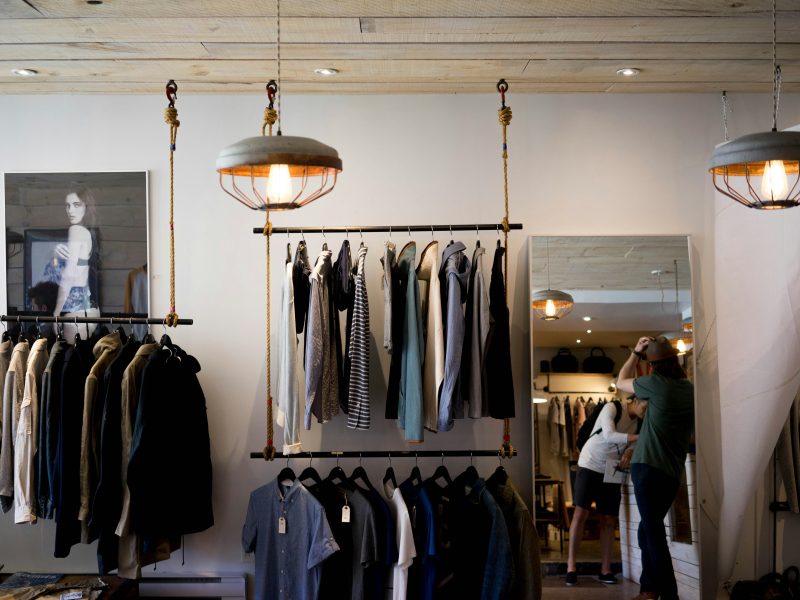
As we bid farewell to the homogenous, fast-fashion-dominated era of yesteryear, a new wave of style pioneers is emerging – and they’re redefining what it means to dress for everyday life. Gone are the days of cookie-cutter fashion; today’s trendsetters are embracing individuality, sustainability, and self-expression in their wardrobes.
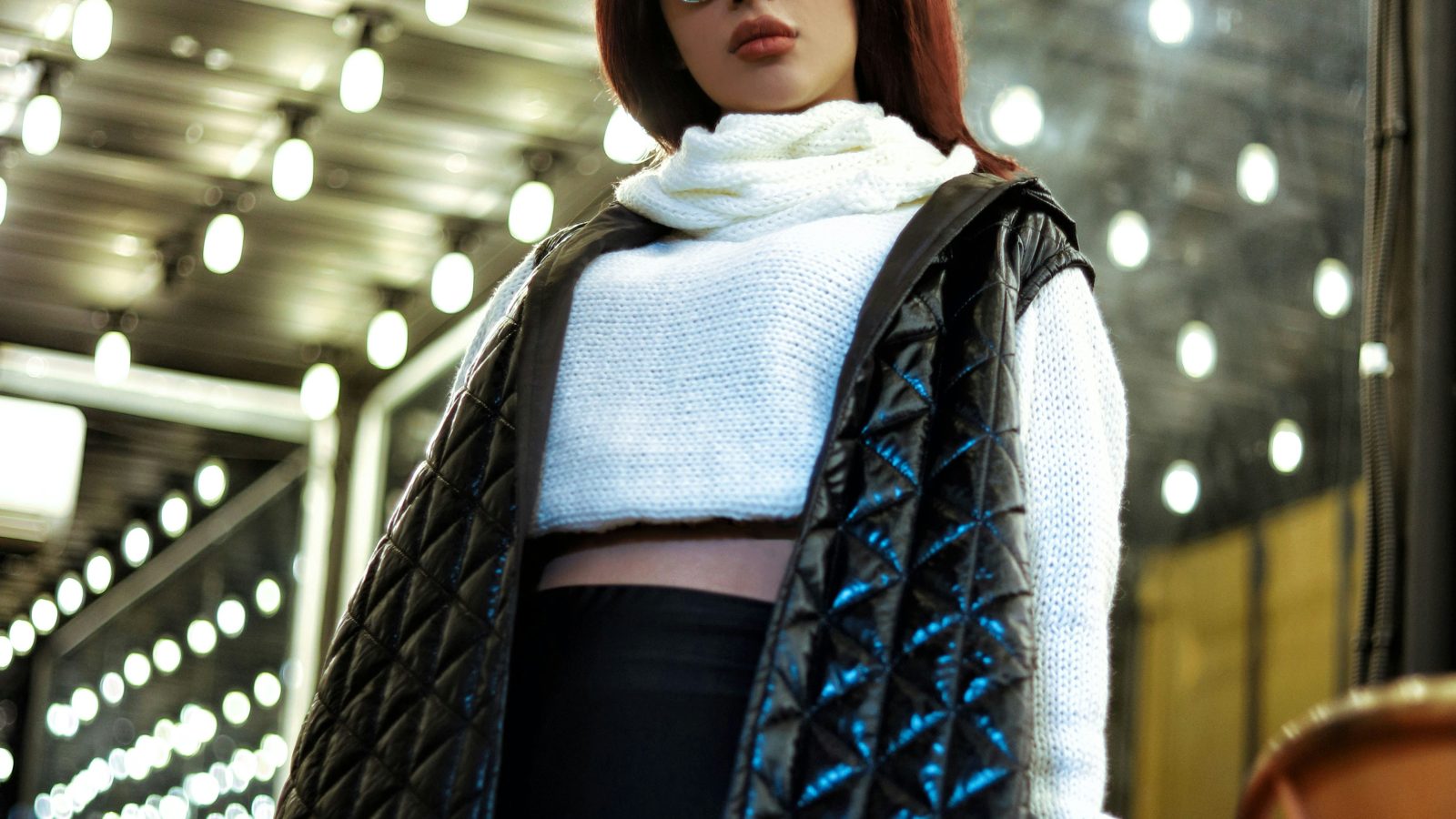
At the forefront of this movement are the ‘normcore’ enthusiasts, who are celebrating the beauty of everyday, relatable style. Inspired by ’80s and ’90s nostalgia, they’re revisiting classic silhouettes – think oversized denim, high-waisted trousers, and chunky knits – with a modern twist. Take, for instance, the resurgence of ‘dad’ fashion: loose-fitting shirts, baggy pants, and sneakers are no longer relegated to their eponymous demographic, but rather celebrated as a symbol of laid-back, unapologetic cool.
Another significant trend gaining traction is the intersection of technology and fashion. From digital printing to 3D knitting, innovative textile technologies are revolutionizing the way we create, wear, and interact with our clothing. For instance, designers like Iris van Herpen are pushing the boundaries of sustainable fashion by using biodegradable materials and experimenting with novel manufacturing processes.
The Rise of Inclusive Fashion
In recent years, the fashion industry has made strides towards greater inclusivity – but there’s still much work to be done. The likes of Prabal Gurung and Ralph Lauren have been lauded for their efforts to promote diversity on runways and in campaigns, while brands like ASOS and & Other Stories have successfully catered to a broader range of body types and age groups.
However, there’s a growing concern that this inclusivity is merely skin-deep. Critics argue that tokenistic representation can be damaging, perpetuating the notion that diversity is merely a marketing gimmick rather than a genuine commitment to change. It’s essential for brands to move beyond superficial gestures and truly embed inclusivity into their DNA.
The Power of Second-Hand Fashion
As consumers become increasingly aware of the environmental impact of fast fashion, second-hand shopping is experiencing a renaissance. From high-end consignment stores to online marketplaces like ThredUp and The RealReal, the stigma surrounding used clothing has been largely eradicated.
Not only does buying pre-owned reduce waste and supports sustainable fashion; it also offers an unparalleled level of authenticity. Second-hand shopping allows us to tap into the emotional value of a garment – the memories, the stories, and the people behind each piece. In an era where fast fashion prioritizes disposability over durability, this nostalgia-driven approach is a refreshing respite.
The Intersection of Fashion and Art
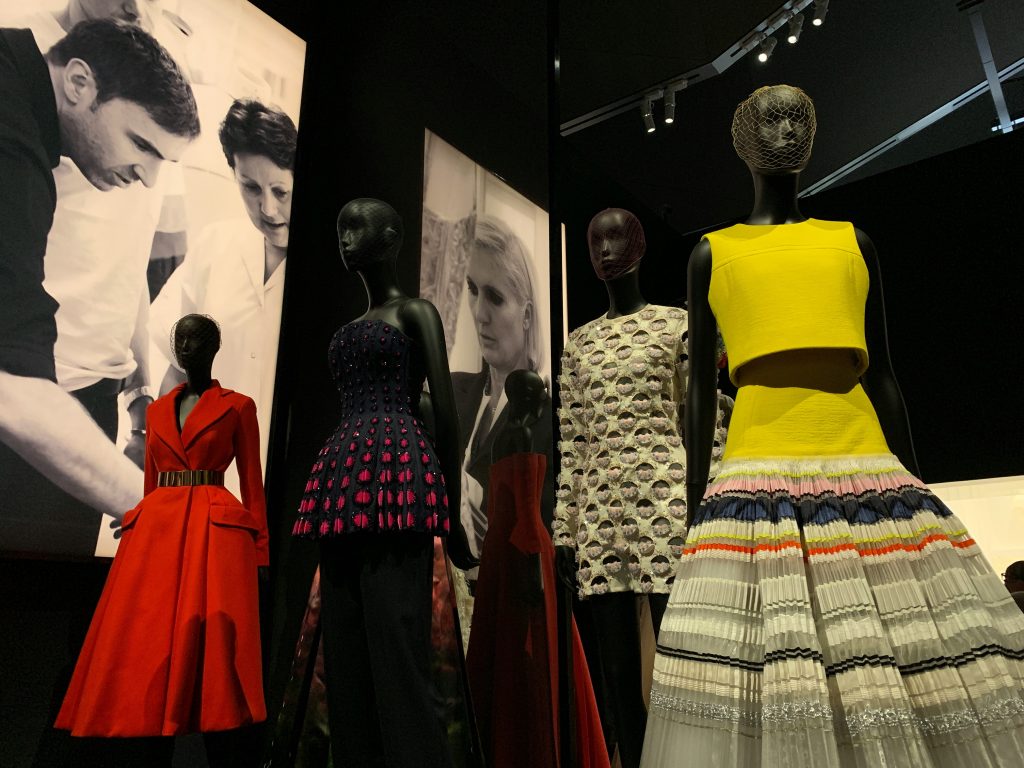
Finally, there’s a growing convergence between high art and high fashion. Designers like Riccardo Tisci and Rei Kawakubo are pushing the boundaries of creativity by collaborating with artists, musicians, and even scientists. This fusion is giving rise to innovative silhouettes, textures, and materials that defy conventional notions of beauty.
Take, for example, the recent collaboration between Louis Vuitton and artist Takashi Murakami – a colorful, playful explosion of graphics and patterns that reimagines the classic LV monogram. This synergy between art and fashion not only produces visually stunning results but also speaks to the era’s preoccupation with experiential culture.
Conclusion
Redefining everyday style is no longer a niche pursuit, but a full-fledged movement. As we navigate this ever-changing landscape, it’s essential to remember that fashion is not just about aesthetics; it’s also about values, ethics, and empathy. By embracing individuality, sustainability, and inclusivity, we can create a more equitable, exciting world of style – one where everyone has the freedom to express themselves authentically.