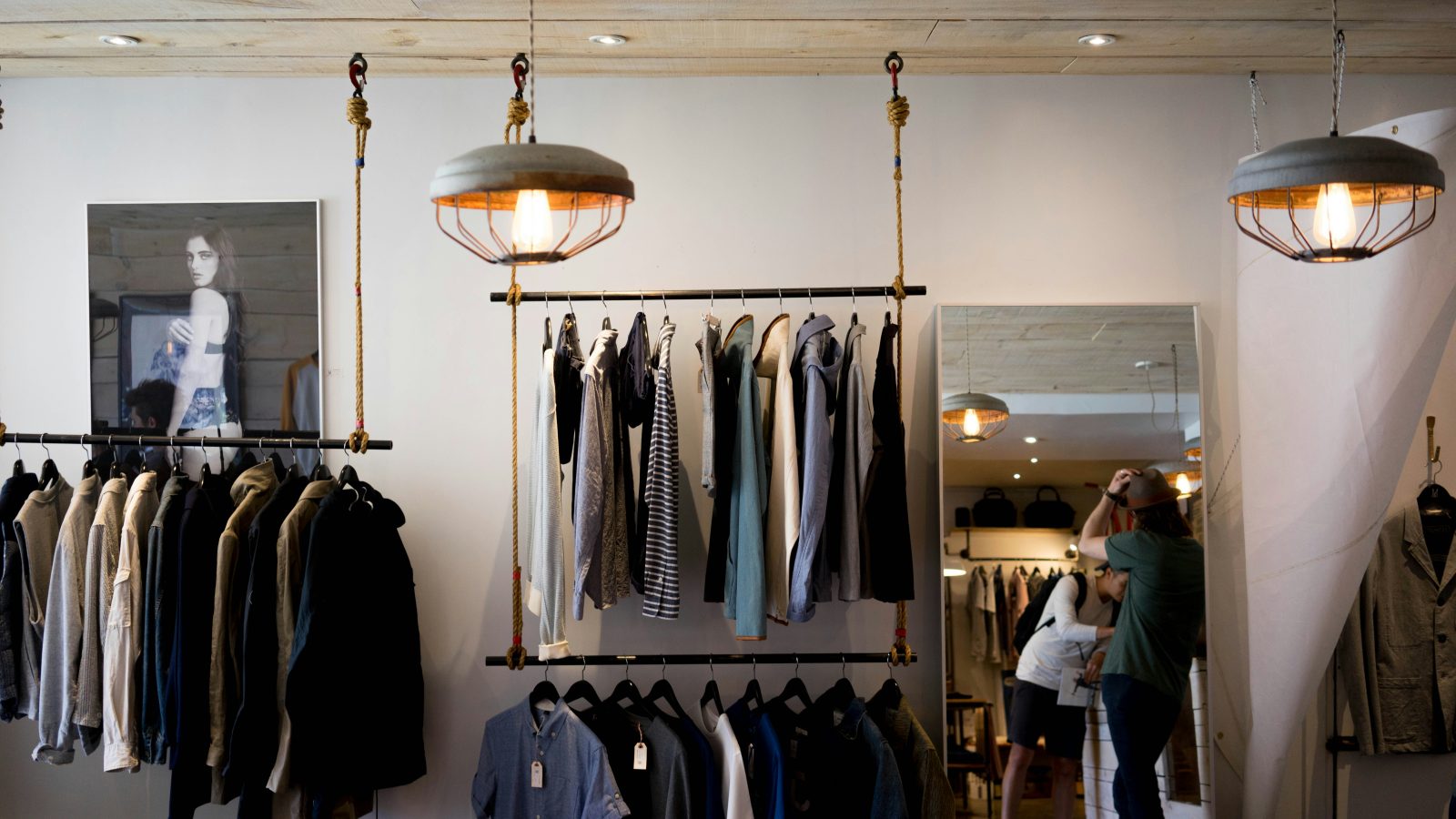
As we navigate the labyrinthine corridors of our favorite department stores, it’s hard not to feel a pang of nostalgia for the tactile experience of browsing through racks and shelves. But beneath the gleaming surfaces and designer labels, a seismic shift is underway in the way we shop for clothes. The rise of e-commerce, social media, and innovative retail technologies is transforming the fashion industry into a dynamic, data-driven ecosystem where the boundaries between online and offline shopping are increasingly blurred.
At the forefront of this revolution are the tech-savvy retailers who are harnessing the power of AI, machine learning, and big data to create immersive, personalized experiences that blur the lines between physical and digital stores. Take, for instance, the concept of ‘store-as-platform’ pioneered by companies like Farfetch and Net-a-Porter. These e-commerce giants have created vast online marketplaces where customers can browse a curated selection of products from top designers and emerging brands, with features like virtual try-on, augmented reality experiences, and personalized styling recommendations.
The Rise of Augmented Reality in Fashion Retail
One of the most exciting developments in fashion retail is the increasing adoption of augmented reality (AR) technology. Brands like Zara and H&M have begun to incorporate AR into their online platforms, allowing customers to virtually try on clothes, see how they look with different accessories, or even visualize outfits for specific occasions. But what’s truly revolutionary about AR in fashion is its potential to revolutionize the way we shop offline.
Imagine walking into a physical store and being greeted by an interactive display that lets you scan products, watch videos, or read reviews from other customers. This is already happening at stores like Nordstrom’s flagship location in Seattle, where shoppers can use their smartphones to access exclusive content, get personalized styling advice, and even order online for in-store pickup.
The Impact of Social Media on Fashion Retail
Social media has become an integral part of the fashion retail landscape, with platforms like Instagram and TikTok serving as virtual catwalks where brands can showcase their latest collections, engage with customers, and drive sales. But what’s striking about social media is its ability to democratize fashion – allowing smaller designers and emerging brands to reach a global audience without the need for expensive marketing campaigns.
Take, for instance, the meteoric rise of indie brand Ganni, which has built a loyal following on Instagram through stunning visuals, engaging storytelling, and savvy influencer partnerships. By leveraging social media’s vast reach and intimacy, Ganni has managed to create a cult-like following among fashion enthusiasts, who clamor for its bold designs and limited-edition collaborations.
The Future of Fashion Retail: Where Technology Meets Sustainability
As the fashion industry grapples with the challenges of sustainability and waste reduction, technology is emerging as a key partner in this effort. From AI-powered design tools that optimize fabric usage to digital platforms that facilitate clothing rental and sharing services, innovators are using tech to rethink the very notion of ‘retail’.
One pioneering example is Rent the Runway, which has created a revolutionary platform for designer dress rentals. By leveraging data analytics and machine learning, RTR is able to offer customers an unparalleled selection of high-end dresses at a fraction of the cost – while also reducing waste and promoting sustainable fashion practices.
The New Retail: A Convergence of Technology and Human Touch
As we navigate this brave new world of e-commerce, social media, and innovative retail technologies, it’s clear that the future of fashion shopping will be characterized by a harmonious convergence of technology and human touch. Gone are the days of bland, impersonal online experiences; in their place is a vibrant ecosystem where customers can interact with brands, share content, and engage with like-minded individuals in meaningful ways.
As we look to the future, it’s exciting to think about what new retail technologies will emerge – and how they’ll continue to push the boundaries of fashion shopping. Whether through AI-powered styling advice, virtual try-on capabilities, or immersive AR experiences, one thing is clear: technology is revolutionizing the way we shop for clothes – and this is only just beginning.
So the next time you’re browsing online or visiting your favorite physical store, remember that you’re part of a dynamic, evolving ecosystem where technology meets human connection. Welcome to the new retail – where fashion shopping will never be the same again!